
Growing food, biodiversity and community.
We are a Community Interest Company bringing together food growing, learning and community — from our no-dig market garden, CSA veg box scheme and allotments to workshops, family activities, volunteering and events. Our shared vision is to create a place where people can connect with food, nature and each other. Whether it’s growing food, learning something new, sharing skills or simply spending more time outdoors, we’re creating opportunities for people of all ages to get involved, meet others and be part of a growing community.
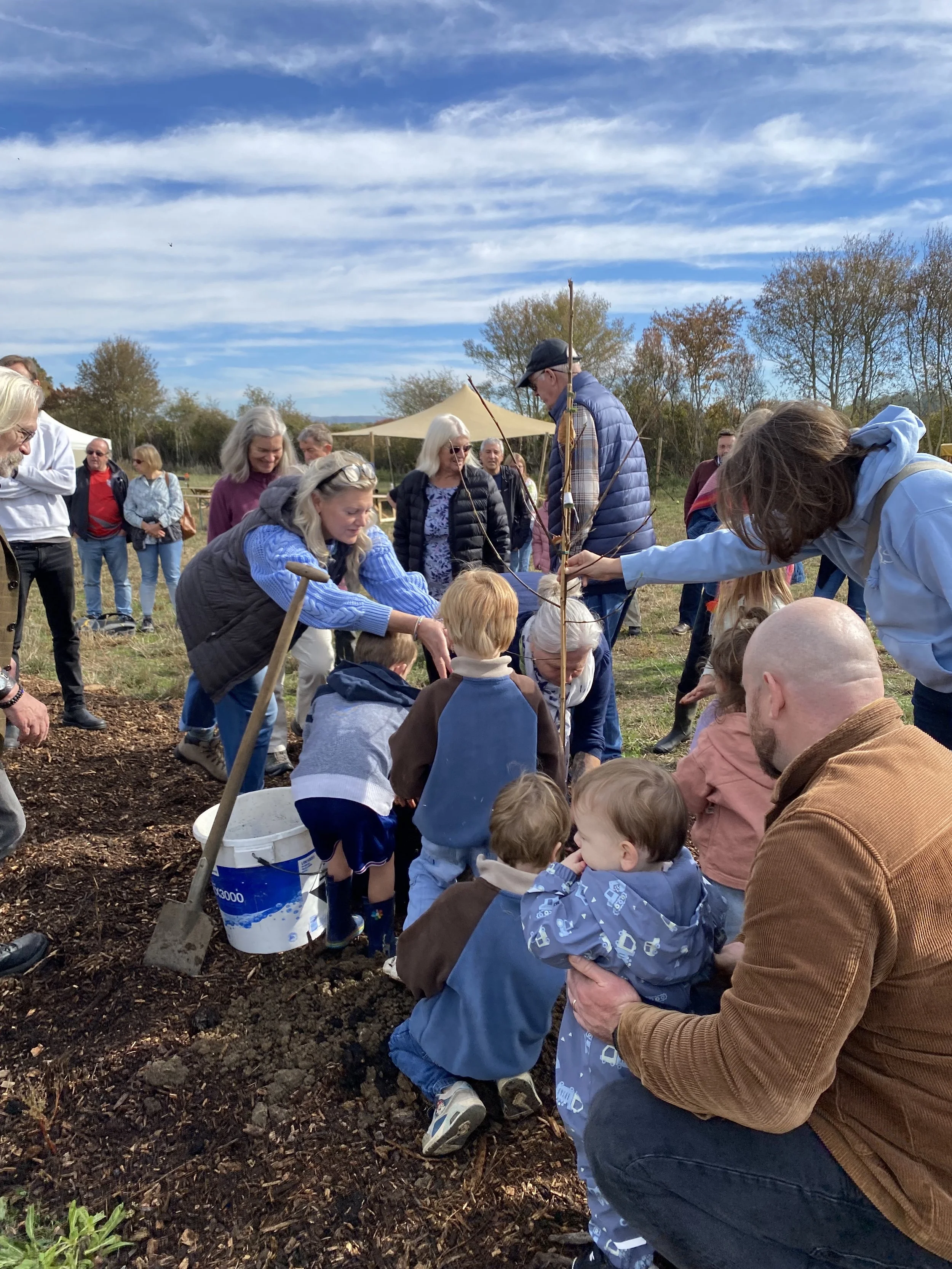
The aim is to create a farm that is both economically viable and genuinely useful to its community — producing good food while keeping more of the knowledge, opportunity and value created by the farm rooted locally.
Its community purpose is built into the structure of the project: how the farm is owned, how income is reinvested, how food reaches local households, and how people can access the land through allotments, volunteering, learning and community partnerships.
What makes a community farm?
A COMMUNITY INTEREST COMPANY
Norton Community Farm is a Community Interest Company (CIC) — a company created to carry out activities for the benefit of a community. Unlike an ordinary private company, the CIC has an asset lock, which means its assets and surpluses are protected for its community purpose rather than being distributed for private benefit.The farm needs to operate as a real productive enterprise, with reliable income and fair pay for the people who work here. But the purpose of that income is to sustain and expand the farm’s work: food production, access to land, education, skills, biodiversity and community activity. Our aim isn’t a project permanently dependent on goodwill. It is to build something capable of supporting itself economically while delivering a wider public benefit.Different ways of sharing the land.
The land is being developed to create different opportunities for people to grow, learn and take part — whether you want a growing space of your own or simply want to spend time helping things grow.
GROW YOUR OWN
Allotments
A place to grow food of your own, with access to shared facilities, practical support and a community of other growers.
GROW TOGETHER
Market Garden & Volunteering
Be part of growing food at Norton. Volunteer in the Market Garden, learn practical growing skills and help us produce seasonal food for our CSA veg boxes and local community.
COME TOGETHER
Events & Gatherings
The farm is a place for people to come together. From seasonal gatherings and community events to shared meals and celebrations, we want to create opportunities to connect with the farm, the food we grow and each other.
LEARN
Courses, Workshops & Learning
From practical workshops and courses to children’s activities, school visits and community programmes, we want to create opportunities for people of all ages to explore food, ecology and craft. COMMUNITY SUPPORTED AGRICULTURE - CSA
A different relationship between growers and the people they feed.
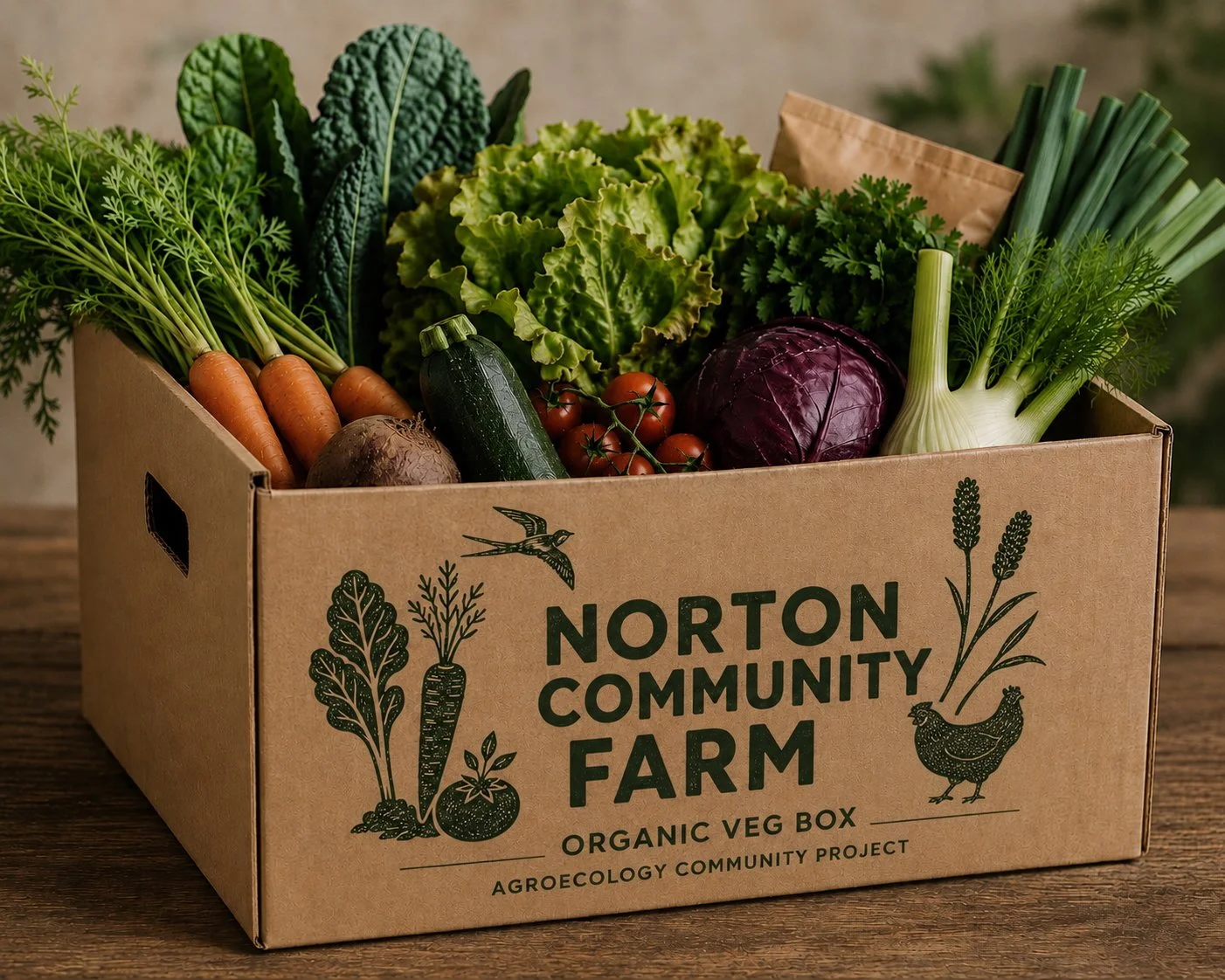
Community Supported Agriculture — or CSA — connects the people growing food more closely with the people eating it.Instead of deciding what to grow and hoping there will be a market for it afterwards, households commit to receiving a regular share of the harvest.That commitment gives the farm greater security and allows us to plan our growing around a known community of households. In return, members receive fresh, seasonal food grown here at Norton and become part of the story of the farm producing it.
OUR FIRST 20 VEG BOXES
We’re starting small. For our first growing season, we’ll have just 20 Veg Box Memberships available, with the first boxes planned for May 2027.Boxes will change with the seasons and what is ready to harvest, with different membership lengths and box sizes available. Members will also be able to add selected Norton Court Farm produce and eggs from The Agroecology project to their weekly collection when available.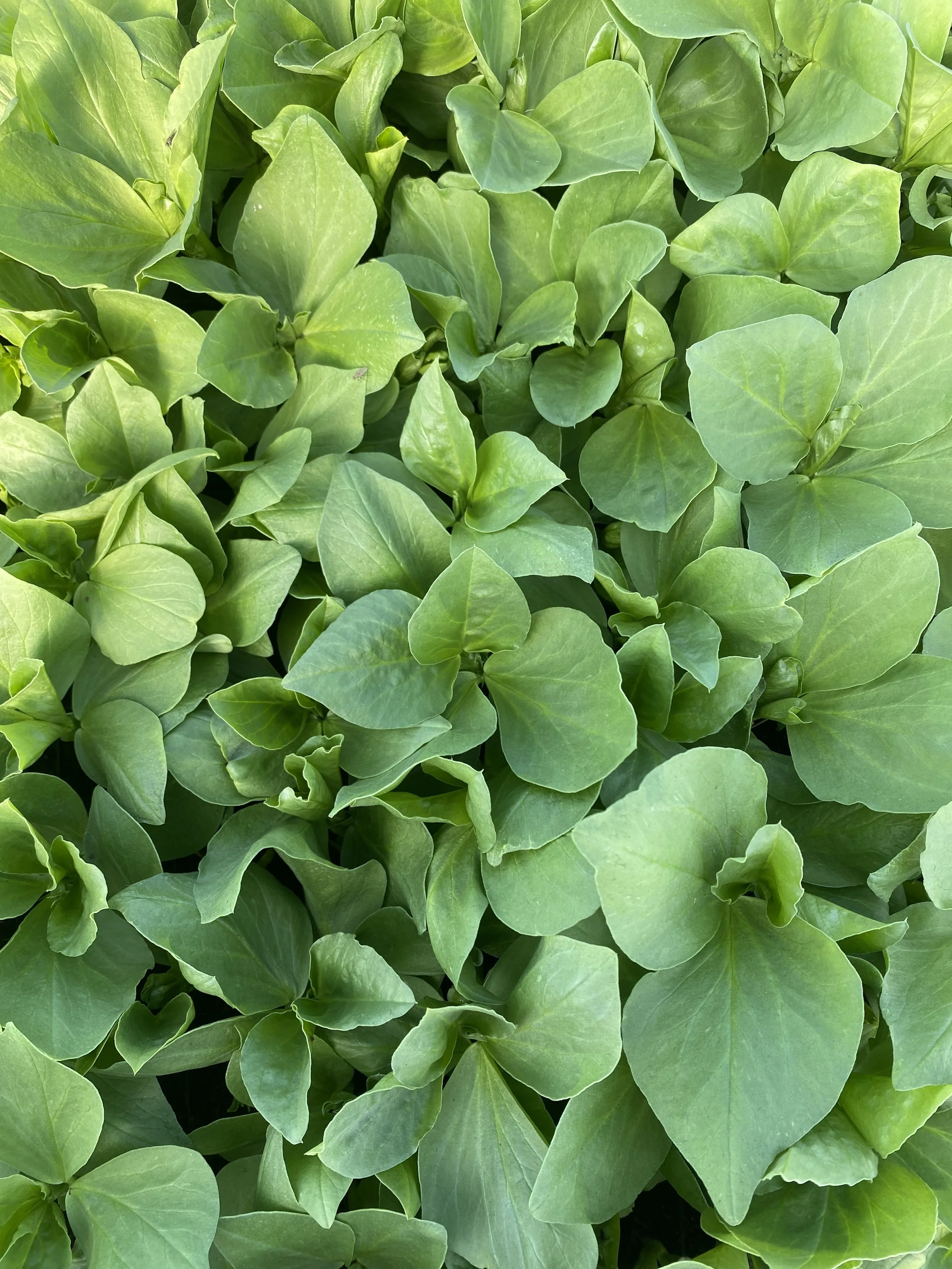
FOOD, KNOWLEDGE & ACCESS
Who has access to land?
Who gets to learn how food is grown?
Where does that food go?
Access to land, fresh food and practical growing knowledge is not equally shared.Norton Community Farm gives us an opportunity to explore how a working farm can make more space for people — creating routes into growing, learning and food production for people who might otherwise have little opportunity to experience them.That might mean a family growing vegetables for the first time. A child pulling a carrot from the ground. A volunteer learning how to sow, harvest or compost. A household eating vegetables grown only a short distance from home. Or a community organisation using the farm as a place to learn, connect and spend time outdoors. The aim is not simply to grow more food. It is to share more of what surrounds that food — the land, knowledge, skills and experience involved in producing it.Growing food is only one part of what we are trying to do. We are also interested in some bigger questions.
AGROECOLOGY IN PRACTICE
BUILDING AN AGROECOLOGICAL FARM FROM THE GROUND UP
What could a productive farm look like if food production, soil health, biodiversity and community were designed together for mutual flourishing?
Rather than inheriting an established growing system, we are developing the space from the ground up.
That means we can think carefully about how each part of the farm relates to the others — where food is grown, where trees are planted, how fertility is created, where water moves, where wildlife finds habitat and how people move through and use the space.
Instead of treating these as separate concerns, we can design them as parts of one connected system.
WHAT IS AGROECOLOGY?
Land sharing brings food production, wildlife, ecological functions, human relationships and culture together within a living landscape. Our vision of a truly regenerative future depends on nurturing these connections.Farming cultures and living landscapes have shaped one another over generations. This ongoing process of mutual change—co-evolution—invites us to observe, learn and adapt.Agroecology puts these relationships at the heart of farming. It is also about food sovereignty: communities shaping how their food is grown, shared and eaten, strengthening their capacity to feed themselves and care for the land that sustains them.Together, these relationships can create positive cycles of abundant food, thriving ecosystems and healthier communities.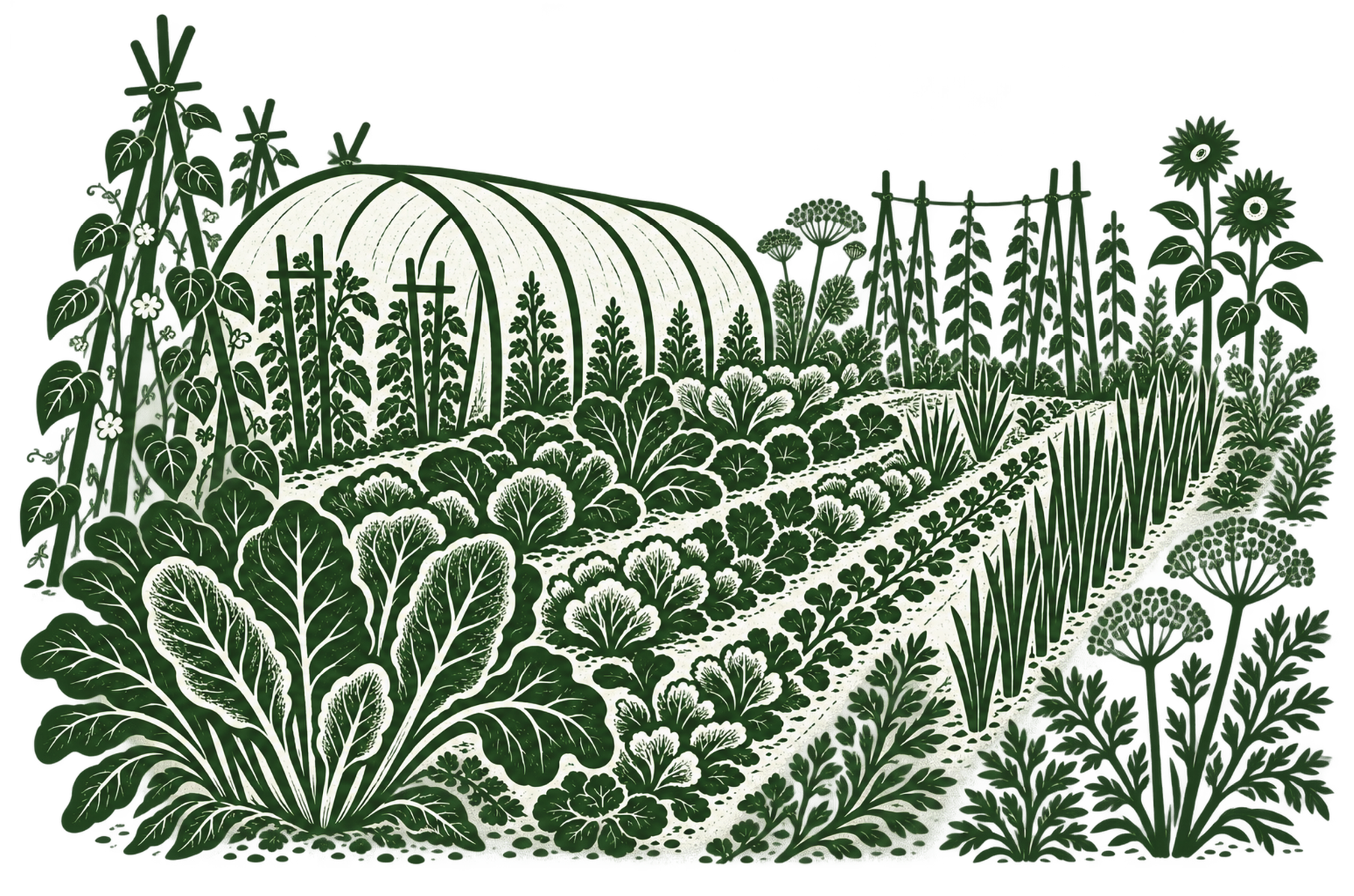
01 — THE MARKET GARDEN
At the heart of the project is a four-acre biointensive Market Garden, producing a diverse range of vegetables, herbs and flowers.

We will grow predominantly in permanent beds, using no-dig and minimum-tillage approaches where appropriate. Fertility will be built through compost, green manures, living roots and careful crop rotations.

Keeping soil covered and reducing disturbance protects its structure and biology, helping it hold more water, cycle nutrients efficiently and support productive crops with fewer external inputs.

Polytunnels and intensive succession planting will extend the season, allowing several crops to move through the same beds each year.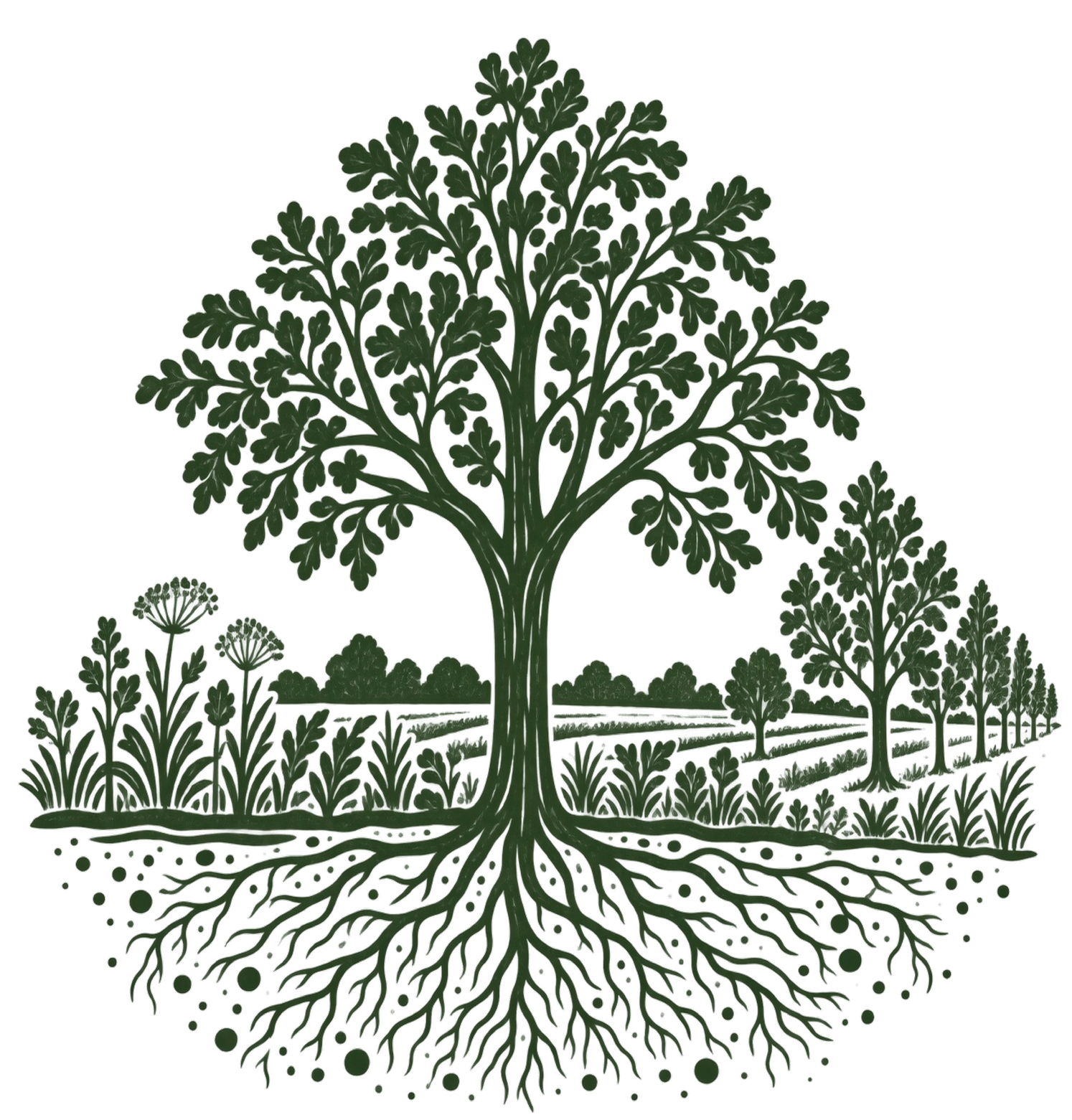
02 — FARMING WITH TREES
Rows of trees and perennial plants will run through the growing landscape. This is agroforestry: deliberately combining trees and agriculture on the same land.

Trees provide fruit and other crops, but their role is wider than that. Their roots occupy different layers of the soil, their flowers support beneficial insects, and the rows create shelter, habitat and greater diversity across the farm. Between the tree rows we can continue to grow food.

At field scale, the plan is for tractor-scale vegetable production in alleys between rows of trees — applying the same ecological principles at a very different scale from the hand-managed Market Garden.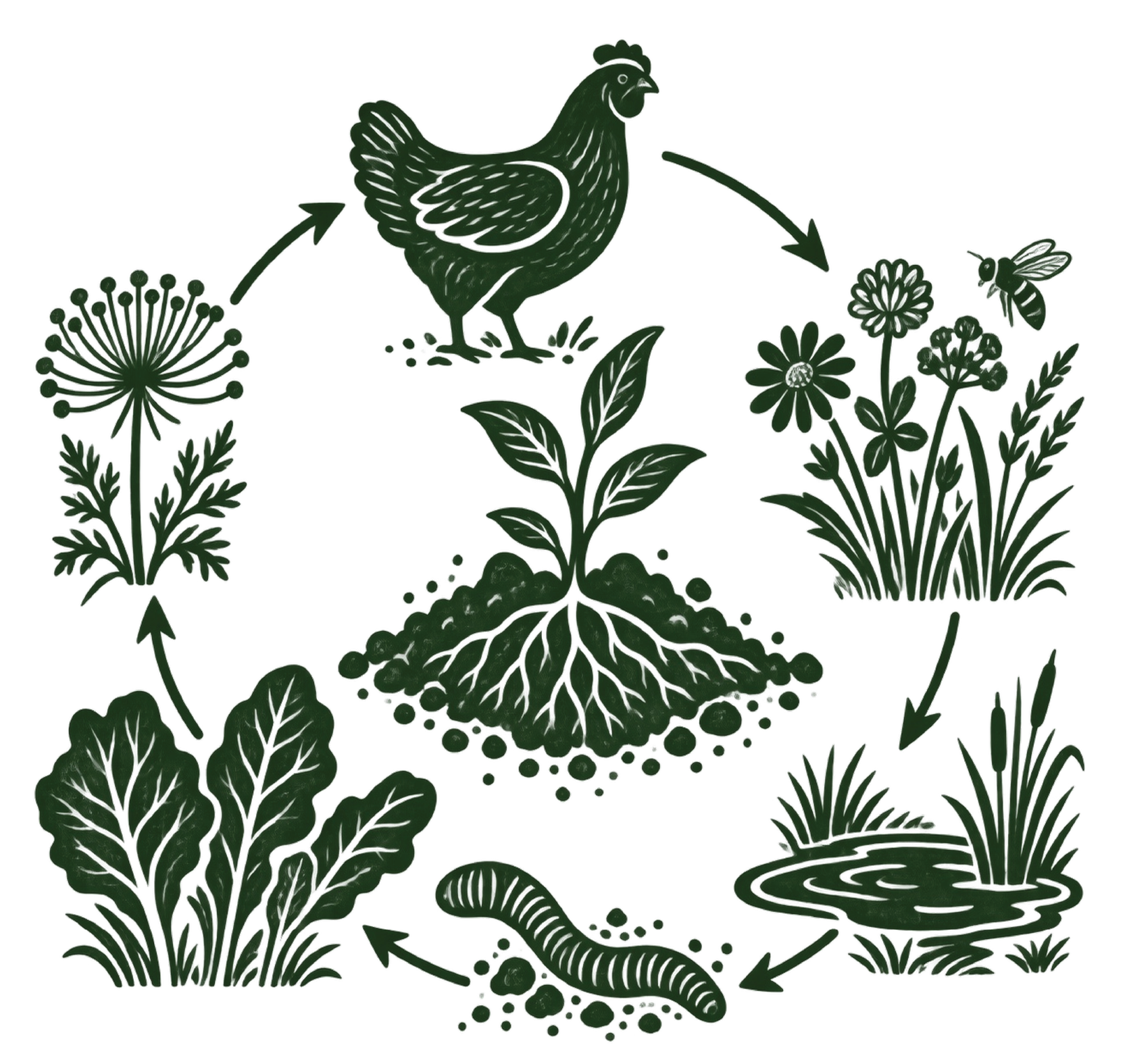
03 — CLOSING THE LOOP
Agroecology looks at the farm as an ecosystem, designing useful relationships between its different parts.

Plant residues become compost. Green manures feed the soil. Trees and flowers support beneficial insects. Livestock contribute fertility. Water is slowed, captured and returned to the land.

Hens and ducks can become part of this cycle too — contributing to compost production, clearing growing areas and returning nutrients to the soil.

The long-term aim is simple: to produce more of what the farm needs from within the farm itself.
OUR VISION
A place where people, food and nature come together.
We live at a time when many of us feel increasingly disconnected from our food, from nature and from one another. Industrial food systems have brought convenience, but often at the cost of healthy soils, biodiversity, local economies and community resilience. At the same time, opportunities to learn practical land-based skills and connect with the natural world are becoming increasingly rare.We believe there is another way. Norton Community Farm is an invitation to reimagine what a farm can be — not simply a place of production, but a place of learning, gathering and regeneration.A place where good food is grown for local families and wildlife is given room to flourish. Where children can discover where food comes from, people can learn practical skills, neighbours can grow alongside one another, and farmers, growers and communities can exchange knowledge.Our Community Supported Agriculture Veg Box scheme is part of this vision. We want to reconnect people with the food they eat, the land it comes from and the people who grow it. By becoming a member, people directly support local food production, share in the seasons and help build a more resilient, environmentally conscious food system rooted in this place.
But food is only the beginning. Through community growing, volunteering, learning, events and much more, we want to create opportunities for people to participate rather than simply consume — building relationships with the land and with one another.As a not-for-profit Community Interest Company, Norton Community Farm exists for community benefit. The value we create is reinvested back into the project — helping us grow food, restore nature, share skills and create more opportunities for people to take part.
A place to grow food, knowledge, connection and community resilience — together.A FARM DESIGNED AS A WHOLE
The plan for Norton Community Farm brings these ideas together across the land. Food production sits alongside community growing. Trees and perennial crops become part of the productive landscape. Habitats, water, paths and shared spaces are considered alongside the areas where food is grown.
OUR DEVELOPING PLAN FOR NORTON COMMUNITY FARM
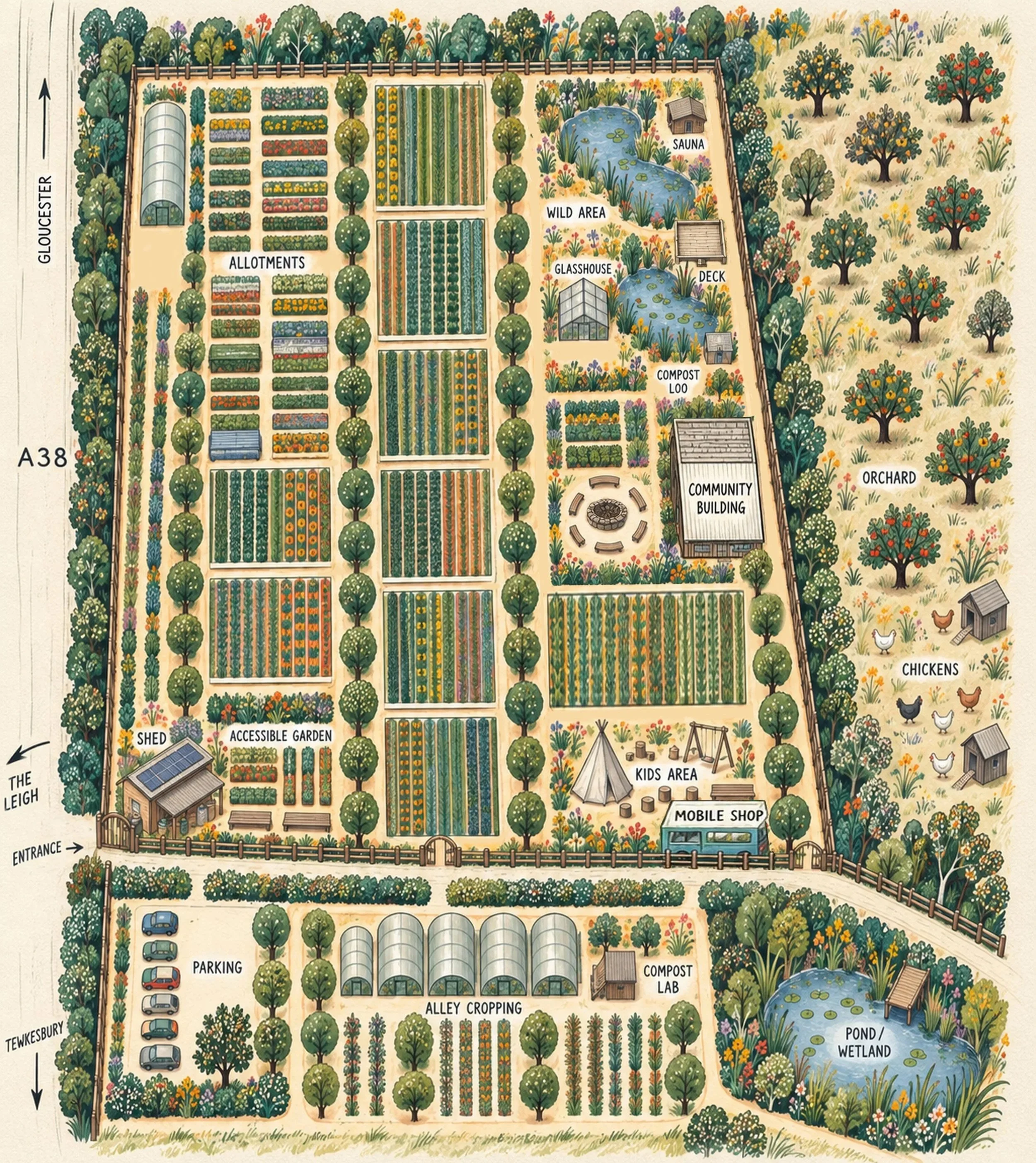
The plan will continue to evolve as we learn from the land, from the people using it and from the experience of putting these ideas into practice.
WHO’S BEHIND IT
Built through collaboration.

Norton Community Farm has been conceived and developed by The Agroecology Project in partnership with Norton Court Farm. The Agroecology Project has shaped the vision and business plan for Norton Community Farm and will lead its development and day-to-day operation, bringing together experience in agroecology, food growing, education, hospitality, design and community-led projects.

Agroecology Project was founded by Jehan-Basil Gibson and Marta Verdu around a shared belief that food, farming, ecology and people are deeply connected.THE FARM IS EVOLVING
Help shape what comes next.
We’re keen to hear what matters to you — from local food and farm produce to events, learning, nature, community growing and opportunities to spend time on the farm.Find us
Norton Community Farm isn’t currently open for general public visits. If you’re coming to meet us, volunteer, or attend an event or course, you’ll find directions below.

Our field is next to the lay-by on the A38, opposite Church Lane, The Leigh, GL19 4AB.

what3words
mascots.arranged.automatic

By bus
The 71 bus (Gloucester – Tewkesbury – Northway) stops at The Leigh, close to the entrance to the field.